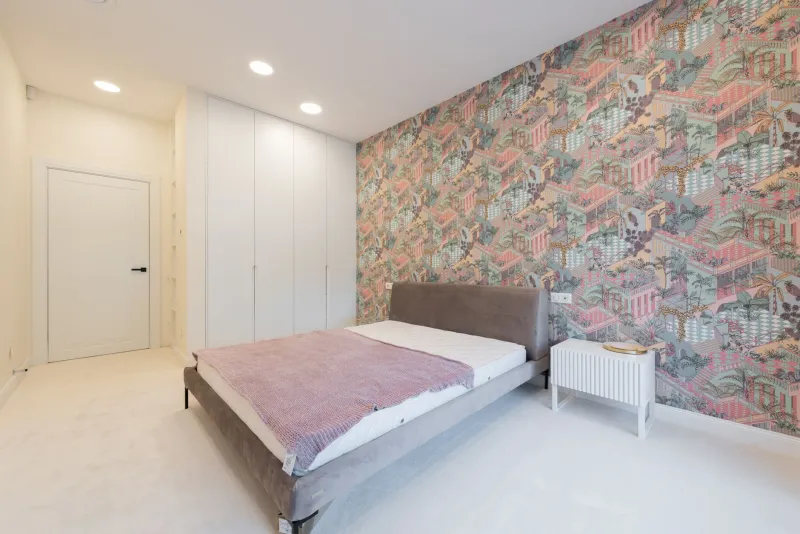
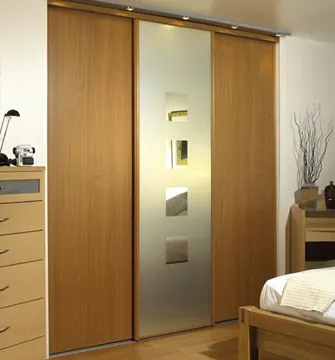
Quiet Corners: The Acoustic Case for Fitted Wardrobes in Bacup Bedrooms
There is a particular kind of quiet that people chase in a Bacup bedroom. Not silence, exactly — more the feeling that the room has stopped amplifying every stair creak, every passing car and every muffled conversation from next door. Fitted wardrobes get suggested as part of that solution surprisingly often. Sometimes by installers, sometimes by neighbours who swear their new bedroom storage “made a real difference”. The question is whether any of that stacks up.
The honest answer is yes, but not in the way the most enthusiastic claims suggest. Fitted wardrobes are not soundproofing. They will not block a party wall, silence a road, or replace proper acoustic work if noise is genuinely severe. What they can do is soften a room, reduce echo, add mass in useful places and give a bedroom a calmer acoustic feel. For plenty of Lancashire homes, that is worth having.
What Fitted Storage Can and Cannot Do
Let us separate the realistic from the overblown. A full-height wardrobe run can absorb some high-frequency sound and break up hard, reflective surfaces. It can reduce the hollow echo that makes a sparsely furnished bedroom feel louder than it is. It can also add a layer of dense material against a wall, which may take the edge off certain airborne sounds if the construction is sensible.
It cannot, however, compensate for a poorly sealed window, a thin party wall or a floorboard gap that lets every footstep through. Think of fitted wardrobes as room comfort, not building remedy. If the main issue is neighbour noise through a shared wall, the first conversation should be about sealing, insulation and the wall itself — not about whether the doors should be shaker or slab.
That distinction matters in Bacup, where so many homes are stone terraces and older semis with their own acoustic quirks. The storage can help. It just needs to be planned with a clear idea of what it is actually doing.
Why Stone Terraces Feel Echoey
Old stone terraces often have dense walls but hard interiors. Plaster, boarded floors, painted chimney breasts and very little soft furnishing can make a bedroom behave like a small echo chamber. Add a bare floor, a single bed and a curtain that stops well short of the ceiling, and the room will sound harsher than the structure deserves.
Fitted wardrobes help here because they interrupt that hard cycle. A wall of doors, even fairly slim ones, gives sound something to hit other than flat plaster. Hanging clothes inside add a little more absorption when the doors are open. It is not a dramatic, laboratory-style change, but many people notice that the room feels less “bouncy” once storage goes in.
This is especially true in smaller box rooms and back bedrooms where every surface seems to reflect. A well-planned wardrobe can make the space feel calmer without making it feel smaller, provided the doors and colour choice are handled sensibly.
Doors Are the First Place to Start
If you want the acoustic side of fitted storage to work harder, pay attention to how the doors close and how they meet the frame. Soft-close hinges are pleasant for their own sake, but they also encourage gentle closing rather than the habitual slam that sends noise through a house. That alone can make a bedroom feel more considerate.
Door buffers and felt pads are small, cheap details that stop timber-on-timber contact. On hinged doors, a simple buffer at the closing edge reduces the sharp click that travels. On sliding doors, decent top and bottom tracks matter more than people expect; rattly runners undermine the whole calm effect.
Door material also plays a part. A solid or dense core will usually feel more substantial than a hollow panel, and it tends to transmit less of that thin, drum-like sound when closed. It is not a reason to specify the heaviest door available, but it is a reason not to dismiss the difference entirely.
Back Panels, Gaps and the Party Wall
Back panels are where acoustic claims often get a bit loose. A standard wardrobe back is not a sound barrier. It is a dust and structure panel. If the wardrobe sits against a party wall, the back panel may add a little mass and tidiness, but it will not solve a neighbour-noise problem on its own.
What can help is careful fitting. Gaps around the carcass, unsealed service holes and loose panels can all create little paths for sound and draughts. A neat installation with tight joints, sensible sealing where appropriate and no unnecessary voids will perform better than a rushed one. That is not glamorous advice, but it is the sort of detail that separates a good fitted wardrobe from a wobbly box with doors.
In older Lancashire homes, it is also worth checking what is behind the proposed wardrobe wall before anyone drills or fixes. Chimney breasts, old cupboards and awkward corners all affect both layout and acoustic behaviour. A pre-install survey should flag anything that needs a different approach.
Packing Rails Without Turning the Room Into a Wardrobe
There is a lovely theory that a densely packed wardrobe behaves like a giant acoustic curtain. There is some truth in it, but only when the doors are open, and most of us do not live with wardrobe doors permanently open. A full rail of coats and jumpers can soften reflections inside the wardrobe, but the closed door is doing most of the everyday work.
That said, a well-filled wardrobe tends to mean fewer stray items cluttering the bedroom, and a less cluttered room usually sounds calmer because there are fewer hard objects to reflect sound. It is a second-hand benefit rather than a magic trick, but it is real enough.
A practical layout helps too. Full-height runs reduce the number of horizontal surfaces where clutter gathers. A mix of hanging, shelving and drawers keeps the interior usable, so you are not tempted to leave bags and boxes stacked on top. The tidier the room, the less the acoustics have to fight against.
A Calmer Bedroom, Not a Recording Studio
The most useful way to think about fitted wardrobes and sound in 2026 is this: they are part of a comfort plan, not a noise-cancelling product. If your bedroom echoes, feels hollow or carries every small sound around the house, storage can take the edge off. If your neighbour’s television is coming through the wall, call a different kind of expert.
For Bacup homeowners, that balanced view is probably more useful than any grand claim. Fitted wardrobes earn their place by storing things well, making use of awkward walls and helping the room feel settled. The quieter feel is a welcome bonus — especially in older terraces where hard surfaces and tight proportions do the room no favours.
Get the doors, buffers, back panels and installation details right, and the storage will do its bit. Just do not expect it to do the builder’s job as well.