Clear the Rail First: The Decluttering Step That Makes Fitted Wardrobes Work Harder

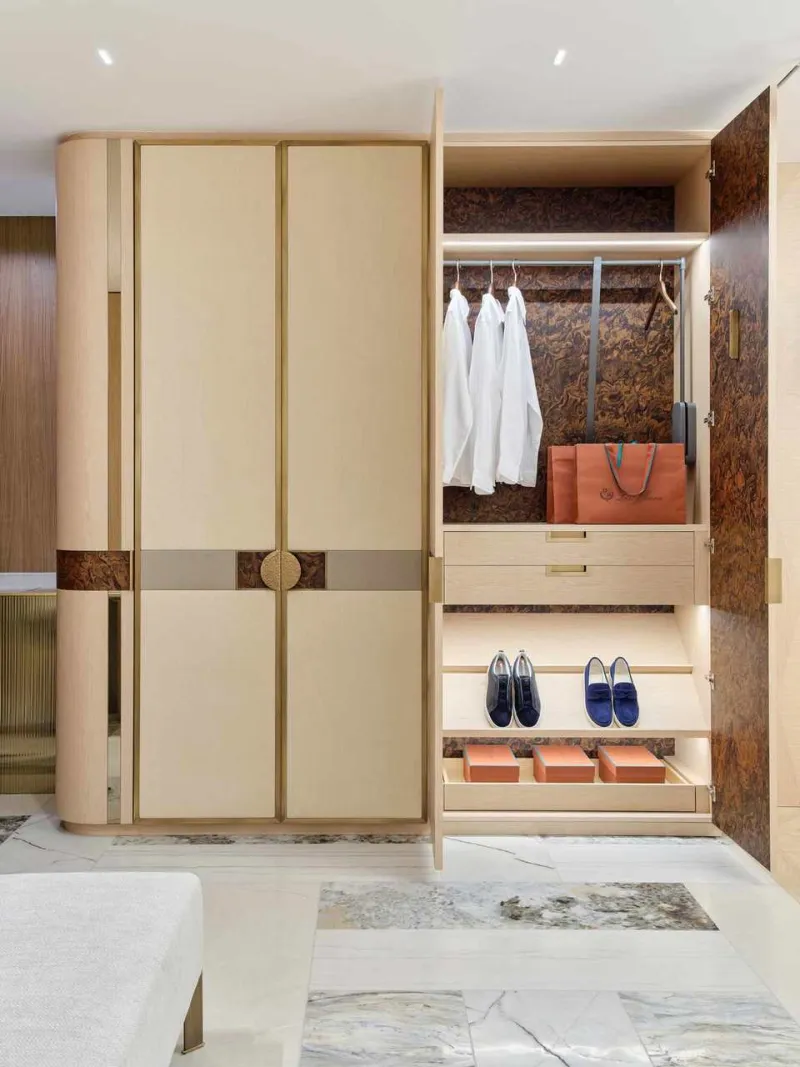
Photo: decluttered bedroom wardrobe clothes rail donation bags UK charity shop, via www.world-guides.com
Most fitted-wardrobe projects begin with a tape measure and a hopeful sketch. That is understandable — the appeal of a made-to-measure run of storage is that it looks neat, uses the awkward corner and finally deals with the pile of coats behind the door. But there is a more useful starting point, and it costs nothing: an honest edit of what is already hanging around.
In Bacup homes, especially the terraces and semis where every centimetre of bedroom or hallway space has to earn its keep, building storage around clothes nobody wears is an expensive mistake. You end up paying for shelves that hold the same unworn items, just more tidily. The better approach is to clear the rail first, then commission the wardrobe around what remains.
The coat-hanger audit
A declutter before a fitted-wardrobe quote is not about achieving a show-home look. It is an edit. The aim is to separate the clothes that genuinely get worn from the ones that have been kept for reasons that feel less convincing in daylight.
A simple test works well: if you cannot remember wearing something in the past twelve months, and it is not a specific piece of occasion wear or practical Lancashire kit, it is a candidate to leave. That does not mean everything must go. Waterproofs, walking boots, a warm layer for a cold snap and a decent coat are not clutter in this part of the world. They are sensible. The same goes for a suit or a dress that genuinely gets an outing now and then.
The point is to be honest about the difference between useful and merely present. Once you have made that distinction, you can start sorting into four groups: keep, repair, donate and recycle. Bags and boxes are fine, but keep the categories clear so nothing drifts back into the wardrobe by default.
A room-by-room method that does not take a fortnight
You do not need to empty the whole house in one weekend. Work through the rooms that feed the wardrobe project, one at a time, and stop when you have enough information to plan.
Main bedroom. Start with the rail you use most. Take everything out in sections — long garments first, then shorter items, then folded clothes — and put back only what you have worn recently. Check pockets, match shoes and set aside anything that needs a repair. Be realistic about the clothes that only fit in theory.
Spare bedroom. This is often where the archive lives: old workwear, bridesmaid dresses, gym kit from another era. Keep the sentimental pieces you truly value, but store them properly rather than using the spare rail as a limbo. If the room is going to become a home office or guest space, clearing it now makes the fitted storage plan much clearer.
Children's rooms. Children grow out of clothes faster than anyone expects. Sort by size and condition, keep a small box of hand-me-downs if that is useful, and pass on the rest. A fitted wardrobe designed around a child's current height and reach is more useful than a tall unit filled with clothes they cannot get to.
Hallway and landing. Coats, shoes and bags multiply near the door. Keep the everyday coats and a sensible pair of shoes; wash and bag the rest for donation or recycling. If you have a landing cupboard, be ruthless about old bedding and towels. A fitted hallway storage plan works best when it is based on the coats you actually grab on a wet Bacup morning, not the ones you might wear to a wedding in 2029.
Where it can go in and around Bacup
Once you have a pile of donations, deal with it quickly. Bags left in the hall have a habit of being unpacked again.
Charity shops in Bacup town centre are the obvious first stop for clean, wearable clothes and paired shoes. Rossendale Hospice and other local charity shops can be a good option, but it is worth checking opening hours and what each shop can accept before you turn up with a car load. British Heart Foundation shops and home collections are another route, and the Salvation Army has textile banks in many parts of Lancashire. For a larger clear-out, book a collection rather than leaving bags outside a shop door.
For worn-out textiles — odd socks, stained shirts, frayed towels — use a textile recycling bank or ask Rossendale Borough Council about the current options at its household waste recycling centres. Charity shops cannot sell rags, and putting unsellable clothes in a donation bag just creates work for volunteers. Check the council's waste pages for up-to-date locations and opening times rather than relying on an old list.
Measure what is left, not what was there
Now comes the useful measuring. With the rail edited down, count and note the clothes that remain. How many long items need full-length hanging? How many shirts and tops need short hanging? What really belongs in drawers — underwear, socks, knitwear, jeans? How many pairs of shoes need a shelf or floor space? Do you need somewhere for bags, belts, scarves and the laundry basket?
Measure the longest garment you are keeping, the total rail length you need and the depth of the deepest folded item. Take a few photos of the room, including the awkward corner, chimney breast or sloped ceiling. This information is far more useful to a fitter than a vague request for "as much storage as possible".
It also gives you a realistic brief. If you have kept four long coats, one full-length section may be enough; the rest can be short hanging, shelves and drawers. A leaner inventory often means a simpler design, and a simpler design is usually cheaper to build and easier to use.
Design lessons from a leaner wardrobe
A few practical points tend to come out of this process again and again.
First, fewer hanging rails can be better. Double hanging looks efficient, but it is no good if half the rail holds long dresses and coats. Plan hanging heights around the clothes you own, not the maximum number of rails a catalogue can fit into a wall.
Second, split drawers properly. A deep drawer filled with socks is wasted space; a shallow drawer for underwear and a deeper one for knitwear or jeans will work harder. Adjustable shelving is useful for bags and boxes, and a full-height section earns its place if you have long coats or dresses.
Third, leave some breathing room. Lancashire's damp climate is not kind to clothes packed tightly against a cold external wall. A little airflow and a bit of spare capacity make a fitted wardrobe easier to live with. It also means you are not cramming everything back in the moment the doors go on.
Finally, design for the things that genuinely earn their place: the coats you wear, the shoes you reach for, the knitwear that gets you through a Rossendale winter. A fitted wardrobe is a long-term commitment. Clearing the rail first helps ensure you are committing to storage that fits your real life, rather than a tidier version of the clutter you already had.