Everything Within Arm's Reach: Fitted Storage for Lancashire Bungalows

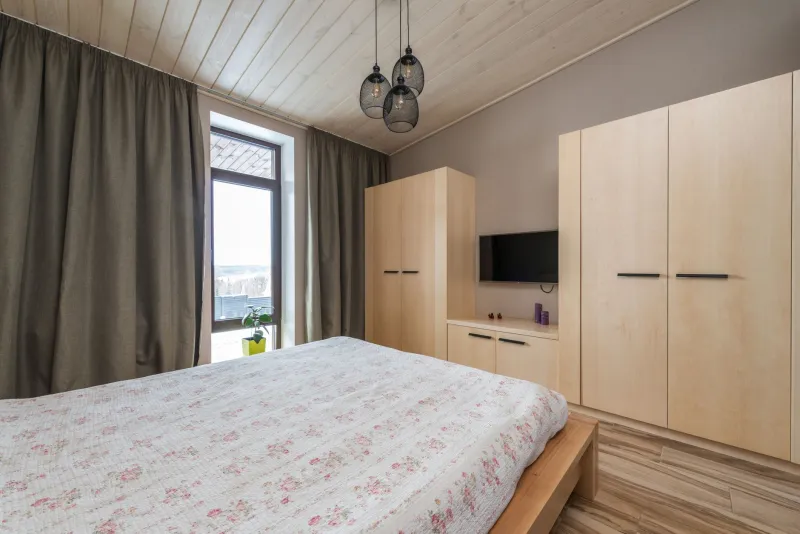
Photo: light filled bungalow bedroom fitted wardrobes low ceiling wide doorway UK interior, via cdn.savemyexams.com
Bungalows have a way of surprising you. Walk into one around Bacup or the wider Rossendale area and the bedroom may be wider than a terrace front room, with a generous doorway and plenty of wall space. Then you look up and realise the ceiling is doing its own thing entirely. Fitted storage in these homes should not be a scaled-down version of a two-storey wardrobe. It needs to work with the room's proportions, keep everyday items within easy reach and make the space feel calm rather than compressed.
Start With the Ceiling, Not the Catalogue
Before anyone talks about door styles or internal dividers, measure the ceiling properly. Take readings at several points around the room, because older bungalows are rarely perfectly level. A ceiling that sits around 2.3 metres, or lower in places, is not a problem in itself. The problem is treating it as if it were a standard modern bedroom and cramming in a full-height tower that dominates the wall.
In a low-ceilinged room, storage should generally spread out rather than stack up. A long, low run of cabinetry can hold far more than a narrow tower, and it leaves visual breathing space above. If the ceiling is particularly low, keep the top of the wardrobe simple: no chunky cornice, no decorative pelmet and no deep shelf that turns into a dust trap because nobody can see what is on it.
The useful reach zone in a bungalow bedroom is roughly between knee height and eye level. Anything above that should be for occasional use, not the things you need on a Tuesday morning. If a design requires a stepladder to reach a regular jumper, it is the wrong design.
Let the Width Do the Work
Bungalow rooms often have more horizontal wall than a typical Victorian terrace bedroom. Use that. A three-metre run at a modest height will usually feel less oppressive than a one-metre-wide unit taken right up to the ceiling. It also gives you room for different zones: hanging at one end, drawers in the middle and open shelving or a shallow cupboard at the other.
Shallow-depth sections are especially useful here. A 35–45cm deep run can handle folded clothes, shoes, bags and linen without eating into the floor. For adult hanging, most clothes still need around 55–60cm of depth to sit properly, so plan at least one full-depth bay rather than trying to hang coats in a shallow cupboard. The rest can be shallower, which keeps the room feeling less furniture-heavy.
Wide doorways are another bungalow feature worth respecting. They make a room feel accessible, but they also reduce the amount of uninterrupted wall. Map out where the door opens, where the radiator sits and how much clearance you need to walk past the end of the wardrobe.
Drawers Down Where You Can See Them
Drawer position matters more in a bungalow than in a room with generous ceiling height. Put the drawers you use daily at roughly waist height, where you can see into them without bending awkwardly or reaching overhead. A bank of drawers between about 60cm and 120cm from the floor is a sensible starting point.
Deeper drawers can go lower down for bedding, towels and out-of-season clothes. Avoid placing small, fiddly drawers near the floor, where they become a chore to open, and avoid putting everyday drawers above shoulder height. Soft-close runners are worth the modest extra cost because they stop a low-level drawer from banging shut in a quiet bungalow.
If the room is shared, give each person a drawer at a comfortable height rather than making one person stoop for theirs. Fair storage is not just about equal space; it is about equal access.
The Low Rail Rules
Hanging rails are where low ceilings really focus the mind. In a standard bedroom, a rail might sit around 1.8–2 metres from the floor. In a bungalow with a lower ceiling, a rail at roughly 1.6–1.75 metres can work well for shirts, blouses and shorter jackets, provided there is enough clearance below for the clothes to hang freely.
Long coats and dresses need more room, so do not run a single low rail across the whole wardrobe and hope for the best. Measure the longest items you actually own, then allocate one taller section for them and use double rails or shelf-and-rail combinations elsewhere. Adjustable rails are useful because they let you change the layout later without rebuilding the whole unit.
Shoe shelves can be closer together than clothing shelves, often around 20–25cm apart, but leave a little extra for boots. Keep the most-used shelf at a height where you can see the pairs without crouching.
Door Swing, Wide Openings and the Bungalow Hallway
Wide doorways are helpful, but they can create awkward corners. A hinged wardrobe door needs a clear arc to open. If the bedroom door and the wardrobe doors compete for the same patch of floor, the room will feel cramped even if the wardrobe itself is beautifully made.
Measure the swing before committing. Sliding doors can be a good answer where floor space is tight, and modern top tracks do not need as much headroom as people sometimes fear. Bi-fold doors can work in the right spot, but they need clear space in front of them as they fold back. In a narrow bungalow hallway, the same rules apply to fitted cupboards: a shallow run with sliding or neatly hinged doors will usually serve better than a deep cupboard that makes the passage feel tighter.
Also check the skirting, picture rails and any uneven plaster. Bungalows often have walls that are a little out of true, so a good installer will allow for scribing and filling rather than assuming everything is square.
Making Low Feel Light
Low ceilings do not have to feel heavy. Pale, matte finishes help, and handleless doors reduce visual clutter. Long horizontal lines emphasise the width of the room, which is usually the bungalow's strong point. A mirror on a wardrobe door can bounce light around, particularly in north-facing bedrooms that miss the best of the day.
Lighting inside the wardrobe is a small upgrade that pays off every morning. An LED strip above the rail or along the inside of a shelf makes it easier to see what you are doing without relying on a ceiling light behind you. Keep the top of the unit clear and avoid stacking boxes above it; that is exactly the sort of clutter that makes a low room feel lower.
A Quick Measure-Up Before You Ask for a Quote
Before an installer visits, note the ceiling height at its lowest point, the width of the doorways, which way the doors open and where the radiators and windows sit. Mark the reach zone you are comfortable with. Then think about what you actually store: long coats, short shirts, bedding, shoes, bags or a mix.
A bungalow wardrobe should feel generous, not crouched. Get the depth, rail heights and drawer positions right, and the low ceiling becomes a quirk of the building rather than a daily annoyance. The aim is simple: everything you use often should be within arm's reach, and everything else should have a sensible home without turning the bedroom into an obstacle course.