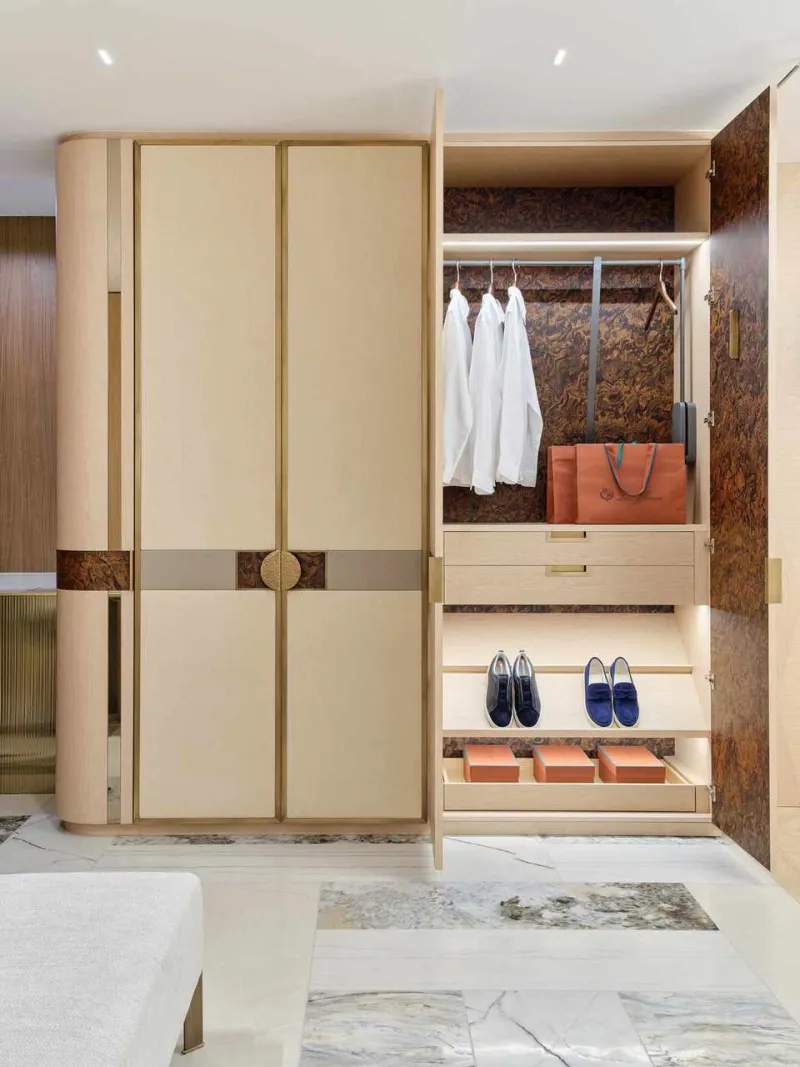
Dust Sheets and Biscuits: What Fitted Wardrobe Installation Day Is Really Like in Bacup
The bit nobody prepares you for
You have chosen the doors, argued about the rail heights, and measured the gap beside the chimney breast more times than you would care to admit. Then the date lands. Fitted wardrobe installation day has a way of arriving before the bedroom feels ready, even when you booked it weeks ago.
In Bacup, that day often involves a narrow terraced street, a van looking for a sensible spot, a dog who thinks visitors are the best thing since sliced bread, and a pile of clothes on the landing that seems to have multiplied overnight. None of it is unusual. A bit of planning makes the whole thing calmer, and a little realism makes it easier to live around the job.
The night before: clear more than you think
Empty the wardrobe, obviously, but do not stop there. Clear the floor area where the units will go, take down anything fragile from nearby walls, and move ornaments, lamps, and anything you would rather not see covered in fine dust. If the bed can be shifted or turned, do it before the fitters arrive rather than during.
Bag up clothes by season or by person, and keep a small emergency set out for the next day or two. A temporary hanging rail in the spare room is a boring suggestion until you are hunting for a clean shirt at 7am. Label bags if you are storing them in a hallway or landing, because boxes and bags have a habit of blending into one another.
Think about access too. Fitters need a clear route from the front door to the bedroom. In a Bacup terrace, that might mean moving a pushchair, a shoe rack, or the recycling that has been waiting patiently by the door. It is not glamorous, but it saves time and bruised shins.
Parking, pets, and the practicalities of a Bacup street
Parking is often the first hurdle. Many Lancashire terraces have limited space, and a fitter's van needs to be close enough to carry boards and doors without turning the job into an Olympic event. If you have a permit scheme or a shared access lane, mention it when booking. If neighbours usually park in the same spot, a friendly word beforehand can work wonders.
Pets are next. Even the most sociable dog does not need to supervise every cut and screw. Set up a comfortable room away from the work area, with water, a bed, and a bit of background noise. Cats often vote for the highest cupboard in the house. Just make sure nobody accidentally gets shut in the bedroom while the fitters are carrying things in and out.
And yes, the kettle question. Offering a brew is a nice gesture, not a requirement. If you are working from home, agree where you will be and keep the route to the kettle clear. Hovering is not helpful, but being contactable is.
When the van pulls up
The first hour is usually the noisiest and least glamorous. Dust sheets go down, tools come in, and the fitter checks the walls, floor, and ceiling against the plan. Older Bacup homes often have a surprise or two: a wall that is not quite straight, a skirting board with a mind of its own, or a ceiling that slopes just enough to matter. Good fitters expect this and adjust.
Dust is part of the process, even with extraction and careful cutting. Ask beforehand how they plan to manage it, and keep a vacuum handy for the end of each day. If you have allergies or a particularly precious carpet, say so early. Most installers will protect floors and seal off the work area where they can.
A straightforward single wardrobe can often be fitted in a day. Larger runs, awkward alcoves, or period walls can stretch into two. Treat any estimate as a guide rather than a promise, especially in a house that has had a century or so to settle.
Living around the job
You do not need to move out, but you do need to lower your expectations for a day or two. Meals may be simpler, the landing may be busier, and the bedroom may not be usable until the evening. If you work from home, plan around the noise. If children are around, keep them clear of tools and off the dust sheets, however tempting the new cupboard boxes look.
Keep the temporary rail stocked with the clothes you actually wear, not the formal outfit you might need in six weeks. Put chargers, bedside essentials, and anything you reach for at night into a basket. It is a small inconvenience, and it stops the installation from turning into a full household upheaval.
The walk-round before the fitter leaves
Before the van is packed, do a proper walk-round together. Open and close every door. Check the alignment, the handles, and the soft-close action if you have it. Look at the drawers, the rails, and any internal lighting or sockets. Make sure the units are level, the seals are neat, and the space around them has been finished as agreed.
Look beyond the wardrobe as well. Are there scuffs on the paintwork? Has the carpet been left clean? Has the packaging been taken away or left in a neat pile for collection? A quick check now is much easier than a phone call next week.
If something is not right, make a snag list. Be specific and fair: a door that catches, a handle that sits slightly off, a shelf that needs adjusting. Most installers will want to sort these things out. Ask what happens next and get any guarantee or care information in writing.
Final payment and the days after
Final payment should follow your walk-round, not precede it. Check your quote or contract for what was included, and only release the balance once you are satisfied with the work. If a small adjustment is needed, agree a date for it rather than holding back payment for something trivial.
For the first few days, let the room settle. Wipe down surfaces, vacuum inside the units, and give the doors a gentle clean according to the manufacturer's advice. Do not overload the rails immediately. And keep the snag list somewhere sensible until everything is signed off.
Installation day is rarely picture-perfect. It is dust sheets, power tools, a few cups of tea, and a bedroom that looks worse before it looks better. But once the clothes are back in and the doors close properly, the fuss fades quickly. In a Bacup home, that is a fair trade.