Where the Spare Duvets Sleep: Giving Linen a Proper Home in Bacup
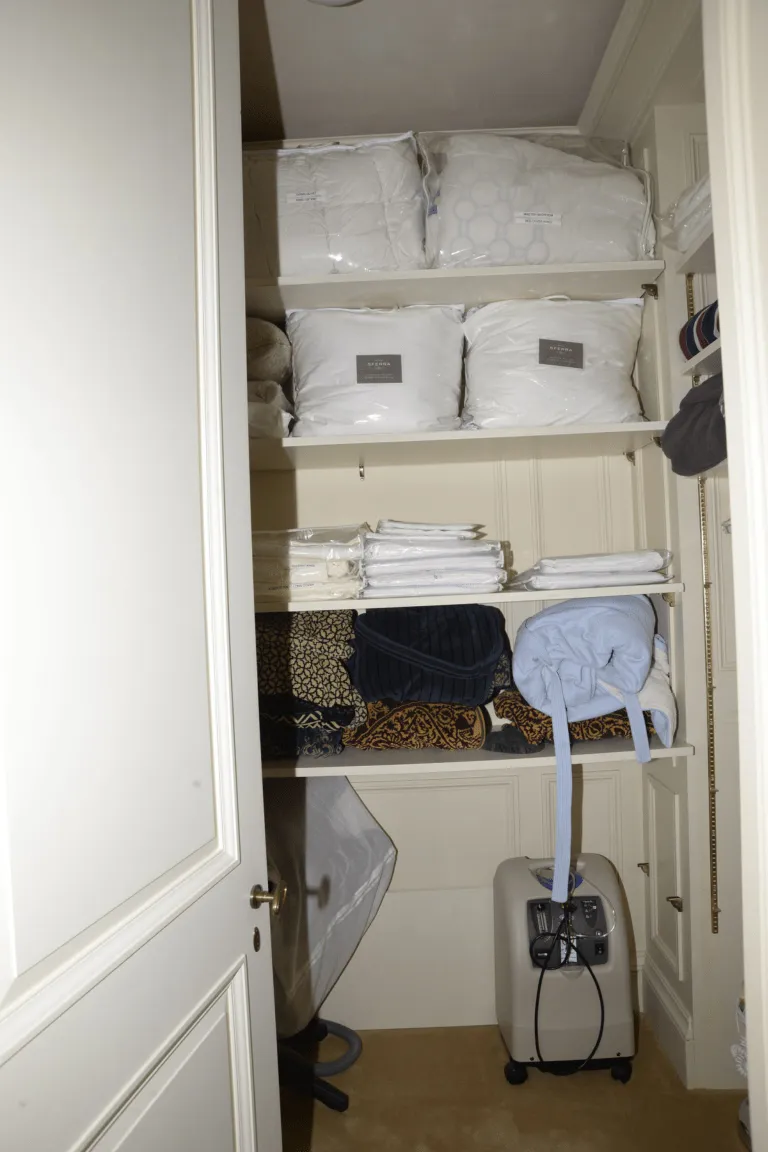
Photo: Federal Bureau of Investigation, Public domain, via Wikimedia Commons
Somewhere in every Bacup home there is a cupboard that used to be the airing cupboard and is now a shower. Or a boiler. Or a small shrine to towels that never quite got put away. The result is the linen mountain: spare duvets on top of wardrobes, towels in a laundry basket, and a fitted sheet that only fits the bed in the spare room.
Linen does not need a dedicated cupboard, but it does need a plan. These are the practical moves that stop bedding avalanches and make the spare duvets easier to find.
1. Find the Real Estate You Already Have
Start by measuring the spaces you already own but are not using well. The top shelf of a bedroom wardrobe, the dead space above a landing cupboard, the gap at the end of a bath, the bottom of a linen basket. In Bacup terraces, the landing is often the best candidate: it is close to the bedrooms and usually has a wall that can take a shallow run of fitted storage.
A linen bay does not need to be deep. A 400mm to 450mm deep cupboard is plenty for folded sheets and towels. Duvets are bulkier, but they can go on a top shelf or in a deeper section. The point is to give linen a home that is not the spare bed.
2. Get the Shelf Depth Right
Shelf depth is where most linen storage goes wrong. A 600mm deep shelf looks generous, but it becomes a dark tunnel where the spare pillowcases go to die. For sheets and towels, 350mm to 400mm is usually enough. For duvets, measure the folded size—not the flat size—and add a little breathing room.
If you are carving a linen bay from a bedroom run, use adjustable shelves. That way you can change the spacing when the winter duvet arrives. A mixture of 300mm and 400mm spacings covers most household linen.
3. Ventilation Beats Vacuum Bags
Vacuum bags are tempting, but they are not always kind to natural fibres. They also hide damp. In an older Lancashire house, linen needs to breathe. Use cotton or linen bags for bedding, or leave it folded loosely on open shelves. Avoid sealed plastic boxes in cold cupboards, especially on external walls, where condensation can form.
If your linen cupboard is on a cold wall, leave a small gap behind the shelves and avoid pushing everything tight to the back. A couple of ventilation holes in a fitted carcass can help, but do not turn a cupboard into a wind tunnel. The aim is steady air movement, not a draught.
4. Label by Bed, Not by Item
A stack of white sheets is a guessing game. Label by bed size and room: 'double—spare room', 'king—main', 'single—guest'. A strip of masking tape and a marker is enough. If you want to be fancy, use washable labels or a chalk pen.
The same goes for duvets. Write the tog rating on the bag or shelf edge. When October arrives, you want to find the 13.5 tog without unpacking the whole cupboard.
5. Rotate With the Seasons
Seasonal rotation is the difference between storage and archaeology. When the winter duvets come out, the summer ones go in. Keep the current season at eye level and the off-season on the top shelf. In a small Bacup home, this might mean one shelf for 'now' and one for 'later', rather than a whole cupboard for each.
A quick rotation in spring and autumn also gives you a chance to air bedding and check for moths or damp. Fold it loosely, not tightly, and avoid storing anything that is still warm from the tumble dryer.
6. Carve Out a Linen Bay
If you are planning a fitted wardrobe or landing cupboard, add a linen section at the design stage. A 600mm wide bay with four adjustable shelves can hold a surprising amount: two duvets, three sets of sheets and a stack of towels. Put it at the end of a bedroom run, nearest the door, so you can grab a towel without walking through the room.
On a landing, a shallow cupboard above the stairwell can work well, but check the fixings and the headroom. Do not block a loft hatch or a light switch. And if the landing is the only route to the bathroom, keep the doors flush or sliding.
7. Keep It Dry in an Old House
The biggest threat to linen in Bacup is not clutter; it is damp. Keep cupboards off cold external walls where possible, or line them with a breathable board. If you notice a musty smell, empty the cupboard, wipe it down and let it dry before putting everything back. A small dehumidifier in the room during wet weeks can help, but it is not a fix for a leak.
Finally, do not overfill. A linen cupboard that is packed tight has no air movement and no room to pull out a duvet without a fight. Leave a little space, and the mountain becomes a manageable stack.