Bounce Back the Daylight: Mirror and Gloss Storage for Shaded Lancashire Bedrooms
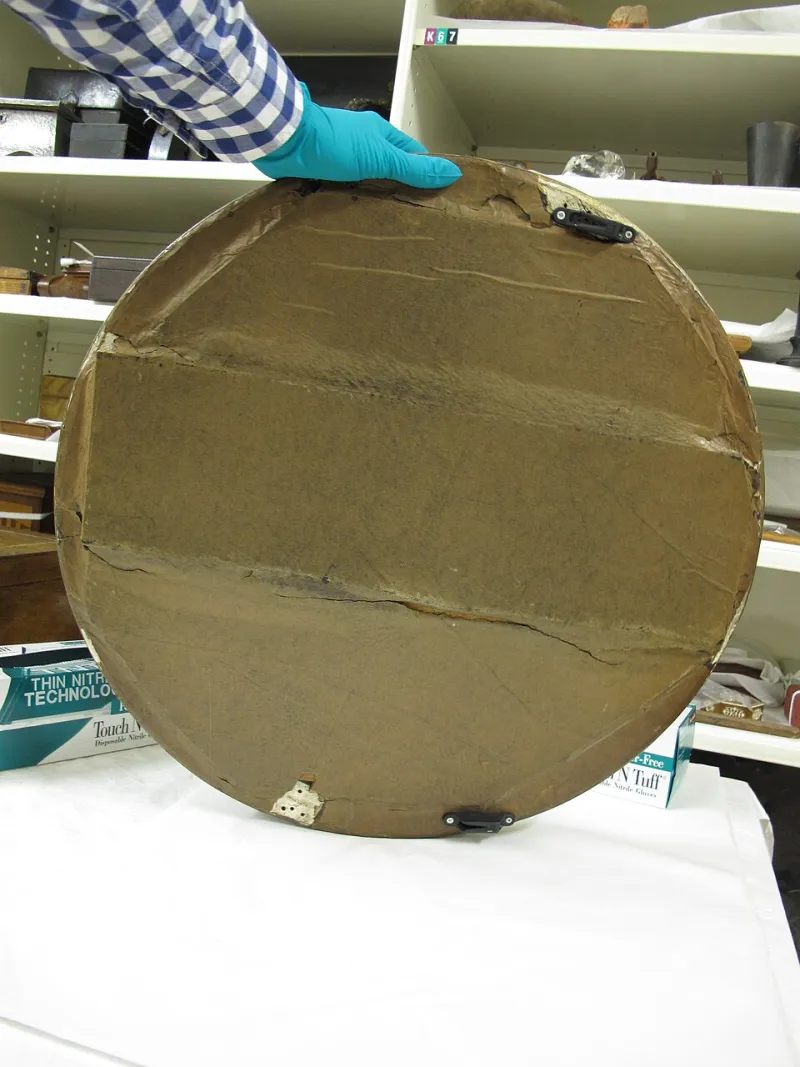
Photo: Unknown, CC BY 4.0, via Wikimedia Commons
Bacup bedrooms are not always blessed with light. Stone terraces, low ceilings, small sash windows and hillside weather can leave a room feeling dim even at midday. A dark bedroom often feels smaller than it is, and no amount of extra storage will fix that on its own. Reflective fitted wardrobes are one of the few upgrades that add storage and change how light behaves at the same time. They are not a magic trick, though. Placement, finish and safety all matter.
Why reflection changes a room
A mirror does not create light. It redirects what is already there. A gloss finish reflects a softer, more diffused version of the room. In a dark bedroom, a full mirror can give the impression of a second window, while a gloss wardrobe run can make a bulky bank of storage feel less heavy. The mistake is to assume that more shine is always better. Too much mirror and gloss in one small room can look clinical, cold or simply confusing. The best schemes mix reflection with texture, wood, painted frames and warm lighting.
Placement: work with the window, not against it
The strongest wall for a mirror is usually opposite or adjacent to the window. Opposite the window, it bounces daylight back into the room. Adjacent to it, it catches side light and makes the room feel wider. A full-length mirror facing the bed can be useful, but check for glare from a lamp or a bare bulb. In small rooms, a mirror panel beside the wardrobe can be enough. If the wardrobe runs along a chimney breast, mirrored alcove doors can make the recess feel deeper without drawing attention to the storage itself. In period homes, antique or bronzed mirror glass can soften the effect and sit more comfortably with old plaster and timber.
Choose the right reflective surface
Full mirror doors give the biggest lift, but they need safety-backed glass or a applied safety film. Mirror panels set into shaker frames suit older Lancashire properties and look less like a gym changing room. Gloss slab doors are a more modern option. They wipe clean easily, but they show fingerprints and smudges, especially around handles. A satin lacquer or soft sheen can be a practical middle ground. Avoid cheap acrylic mirror that distorts reflections. In a damp climate, sealed edges and decent quality mirror matter more than a bargain price.
Safety and fixings
Mirror doors are heavy. They need proper hinges, runners and fixings, especially on older walls that are not perfectly straight. Do not rely on lightweight anchors in a Victorian terrace. A local fitter should fix into studs or use appropriate masonry fixings, and scribe the frame to the wall rather than forcing it flat. If children or grandchildren visit, safety film is a sensible extra. Keep mirror doors away from direct heat and make sure the bottom edge cannot catch on a rug or hoover. A floor-to-ceiling mirror can look wonderful, but only if it is properly fixed.
Cleaning without smears
Mirror and gloss need gentle care. A microfibre cloth and warm water with a tiny drop of washing-up liquid will deal with most marks. Avoid ammonia on antique mirror and never spray directly onto the glass or the frame. Spray the cloth, wipe, then buff with a dry microfibre. For gloss doors, a damp cloth followed by a dry one is usually enough. Do not use abrasive pads or harsh chemicals. Clean the tracks regularly, because grit is what makes sliding mirror doors stick and jump.
Pair with lighting
Reflection only works if there is something to reflect. Add warm-white LEDs inside the wardrobe, under a shelf or beside a dressing table. Cool blue light will make a dark bedroom feel like a waiting room. A mirror opposite the window plus a soft lamp in the corner is often more effective than a brighter bulb overhead. Dimmers are useful in older rooms. If you choose gloss doors, angle wall lights so they do not create a harsh glare across the surface. In period bedrooms, fabric-shaded wall lights and a low-level lamp can make the reflection feel warmer.
Style ideas for Lancashire homes
A period terrace can carry shaker doors with mirror panels, painted in a soft off-white and finished with brass handles. A modern semi might suit handleless gloss in pale grey with a mirrored side panel to widen the room. A cottage bedroom can use a painted wardrobe with one full-length mirror inside the door, so the reflection is practical rather than dominating. A small box room can take mirrored sliding doors along one wall, but keep the track clear and the colours simple. If the room is already dark, avoid dark gloss unless it is a deliberate accent. Pale gloss plus warm wood and textured bedding usually feels calmer.
The honest trade-offs
Mirrors reflect clutter as well as light. An unmade bed, a pile of washing or a messy dressing table will be doubled. Gloss shows fingerprints, and mirror can feel cold if the rest of the room is hard and shiny. Balance reflective storage with soft furnishings, a rug, painted walls and warm bulbs. Storage still has to work: the wardrobe needs the right internal layout, not just the right front. A beautiful mirror door over a badly planned interior will still be annoying every morning.
A brighter Bacup bedroom is often less about knocking through a wall and more about choosing the right finish and putting it in the right place. Mirror and gloss storage can make a shaded room feel larger and lighter, as long as the details are handled with care.